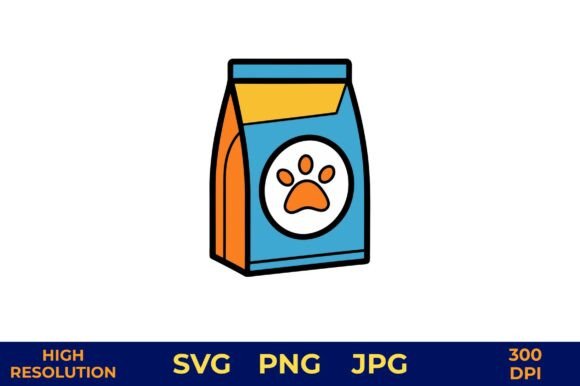
Sad Dog Vector on Food Bag Illustration
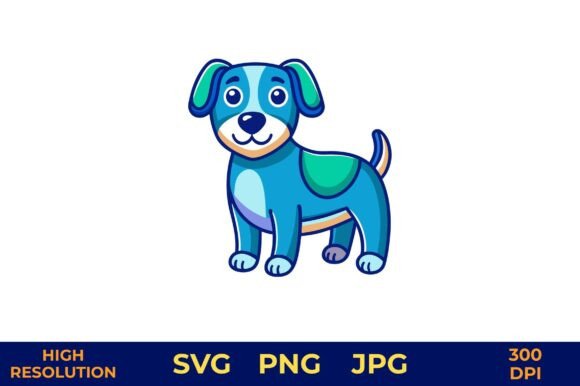
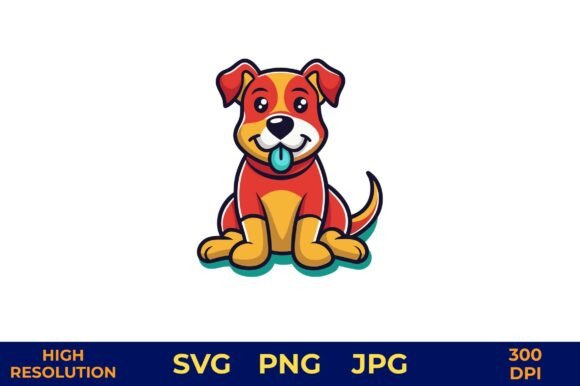
The Sad Dog Vector on Food Bag Illustration is a whimsical and emotionally resonant design that immediately catches the eye. With its bold, solid outlines and vibrant color palette, it feels like a playful yet professional addition to any embroidery project. The illustration captures a sad dog face in a way that’s both charming and relatable, making it ideal for designs that aim to evoke emotion or humor.
First Impressions and Visual Personality
As soon as I viewed the Sad Dog Vector on Food Bag Illustration, I was struck by its simplicity and strong visual identity. The dog’s expression is clear and expressive, with just enough detail to make it recognizable without being overly complex. The solid outline gives it a clean, graphic feel that works well for both digital and physical applications. This makes it particularly suitable for embroidery projects where clarity and definition are key.
The layout of the design is balanced and centered, which is great for placement on items like tote bags, sweatshirts, or baby onesies. The size of the design—420 units—suggests it’s meant for medium to large-scale embroidery, so it’s important to consider how it will fit on different fabric types and garment styles.
Real-World Embroidery Applications
When thinking about using the Sad Dog Vector on Food Bag Illustration in real-life embroidery situations, it has a lot of potential. It could be a standout feature on custom apparel, such as a sweatshirt or t-shirt, especially for brands that want to add a touch of personality to their designs. For small business owners or Etsy sellers, this design could work well as a personalized gift or a unique item for a craft fair booth.
It also fits nicely into baby-related embroidery projects. A sad dog face on a onesie or a baby blanket could be both cute and memorable. The design’s simplicity makes it adaptable for different fabrics and embroidery techniques, including satin stitch and fill stitch. However, it’s worth noting that the design’s solid lines may not translate as well to intricate details or layered applique designs.
Where to Use Carefully
While the Sad Dog Vector on Food Bag Illustration is versatile, there are certain scenarios where it might not perform as well. For example, if you’re working with small hoop sizes, the design might be too large to fit comfortably, which could lead to stitching issues or an uneven appearance. Similarly, on textured or stretchy fabrics, the design’s solid lines may not hold up as well, especially if the fabric shifts during the embroidery process.
On dark fabrics, the design’s colors may appear less vibrant, so it’s important to test the thread color contrast before committing to a final product. Thin or delicate fabrics can also pose challenges, as they may not support the stitch density required for the design’s outlines and fills. In these cases, using the right stabilizer can help maintain the integrity of the embroidery.
Impact on Visual Appeal and Customer Perception
The Sad Dog Vector on Food Bag Illustration has a strong visual presence that can elevate the appeal of any handmade product or commercial embroidery project. Its emotional tone makes it a good choice for personalized gifts or holiday-themed items, where the design’s message can resonate with the recipient. When used effectively, it can add value to a product, making it more desirable to customers looking for unique and meaningful designs.
For small shop products or Etsy listings, the design’s clarity and expressiveness can enhance the professionalism of the finished product. It also supports brand consistency, especially for businesses that want to create a cohesive aesthetic across their merchandise. Whether it’s used on a tote bag, an apron, or a pillow cover, the design maintains a level of quality that appeals to both casual buyers and more discerning customers.
Practical Designer Notes
Before using the Sad Dog Vector on Food Bag Illustration in any project, it’s always a good idea to test it on scrap fabric. This allows you to see how the design looks in different thread colors and on various fabric textures. Pay close attention to the stitch density, as some areas of the design may require more coverage than others.
Check the hoop size to ensure the design fits comfortably without being stretched or distorted. Inspect small details, such as the dog’s eyes or ears, to make sure they remain sharp and defined after stitching. Testing the design in black and white mockups can also help determine how it will look on different fabric backgrounds.
Finally, confirm whether the design is suitable for both personal and commercial use, and review the licensing terms before selling any finished items or digital products. As an embroidery designer, it’s important to be mindful of these details to avoid any legal or practical issues down the line.